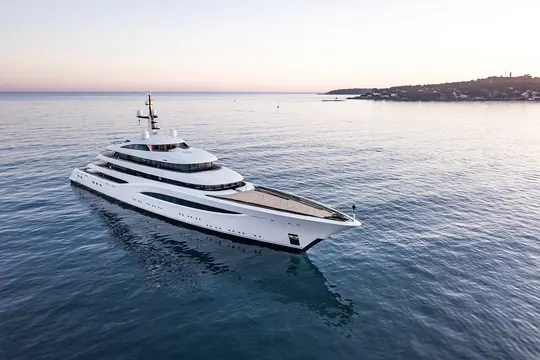
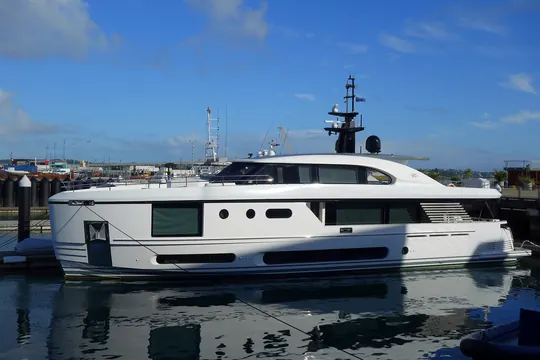
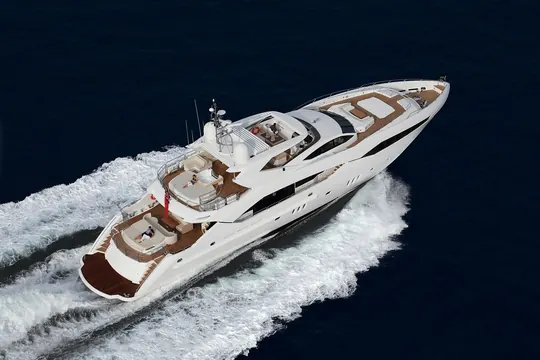
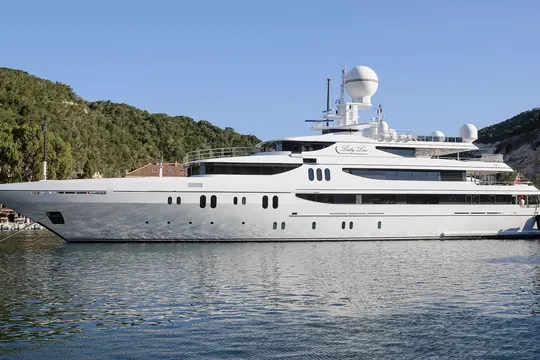
I'm Dennis Hendrickson, a licensed insurance agent. If you own a motor yacht, a sailing yacht, a sportfisher or a classic wooden boat, I compare agreed hull value programs for one vessel or a whole fleet. Send the boat, where it is kept and how you use it, and I come back with options.


Three questions decide which yacht program fits and what the policy should say. The answers differ from insurer to insurer.
Yacht programs commonly write an agreed hull value up front, so the number is settled before there is a claim. A standard boat policy may instead pay actual cash value less depreciation, which can be far lower on a well-kept vessel.
Policies set navigation limits, the waters you may cruise. In Florida and along the Gulf and Atlantic coasts they usually also say what you must do when a named storm threatens, such as moving to a named location or hauling out. Read that wording before the season, not during it.
The captain, the crew and any charter use all go into the underwriting. A boat with a paid captain, or one that is chartered even occasionally, needs different coverage than a boat the owner runs for pleasure. Tell me up front so the policy matches how the boat is used.
Which program fits depends on the vessel's age, size, construction, use and where it is kept. Insurers also differ on the largest and oldest boats. I sort that out first, vessel by vessel.

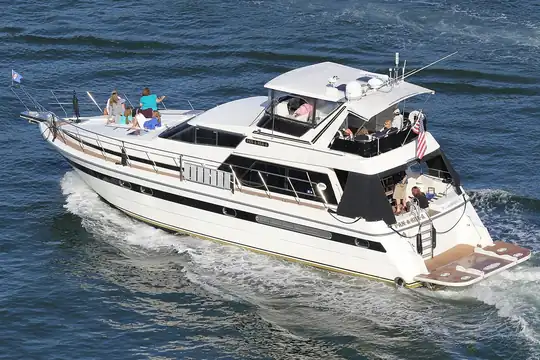
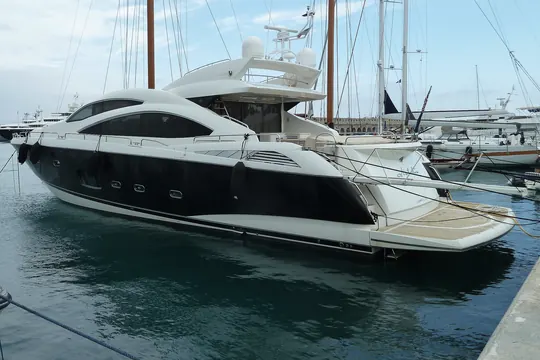
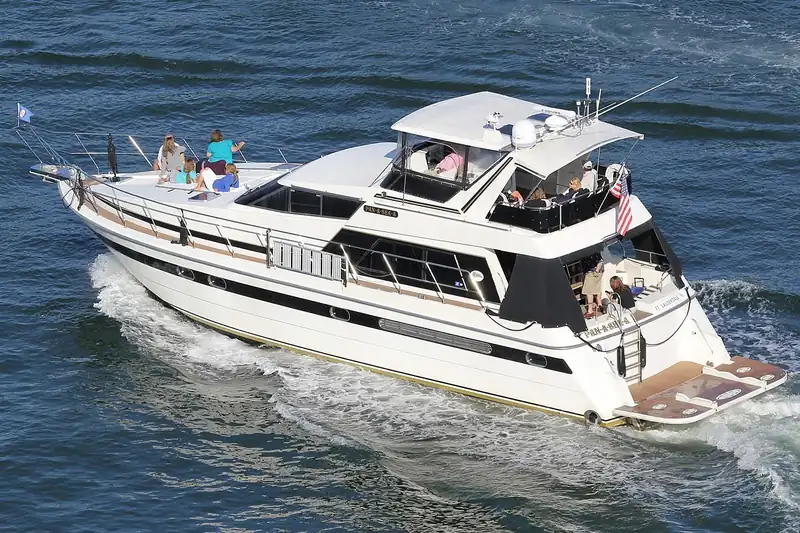
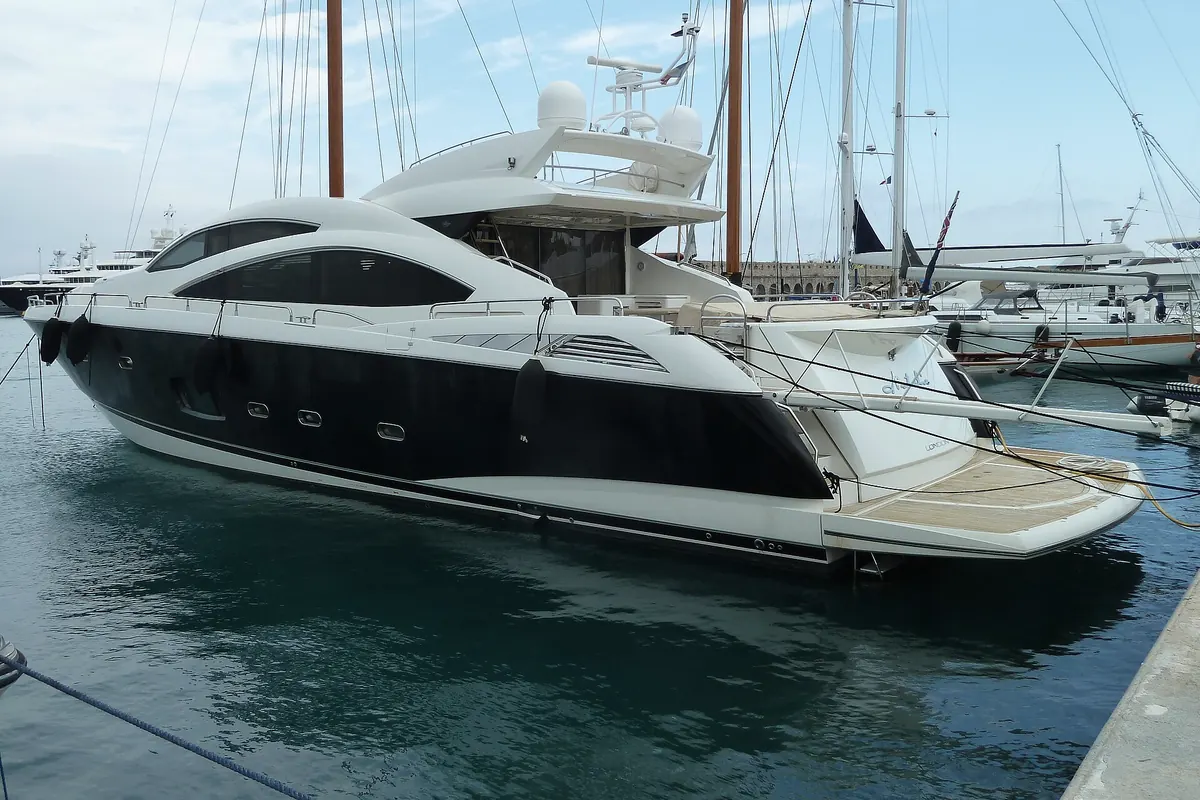
Express cruisers, flybridge yachts, convertibles and larger motor yachts, with or without a paid captain. Most insurers want a recent survey on an older or larger vessel, and I say what each one asks for.

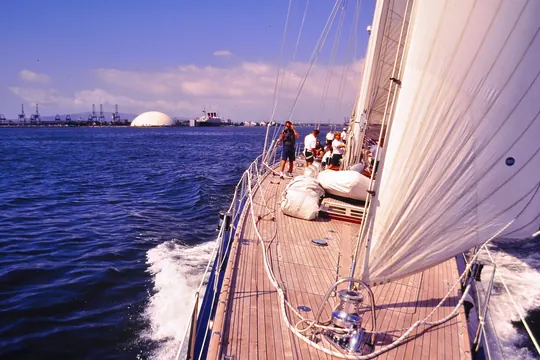
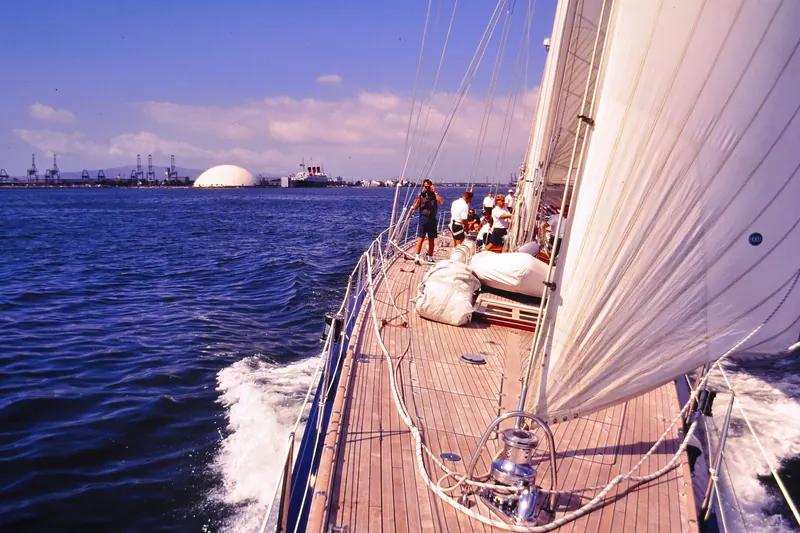
Cruising sloops and ketches, performance boats and classic racers. Rig, keel and racing use affect which insurers will write the boat and on what terms.

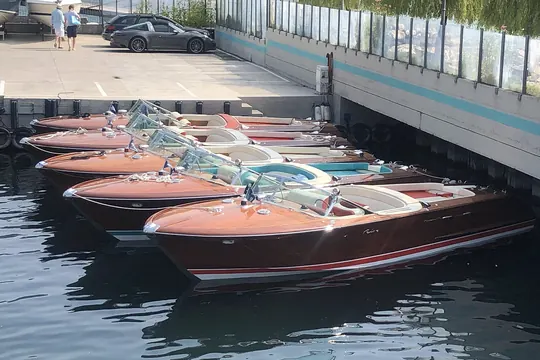
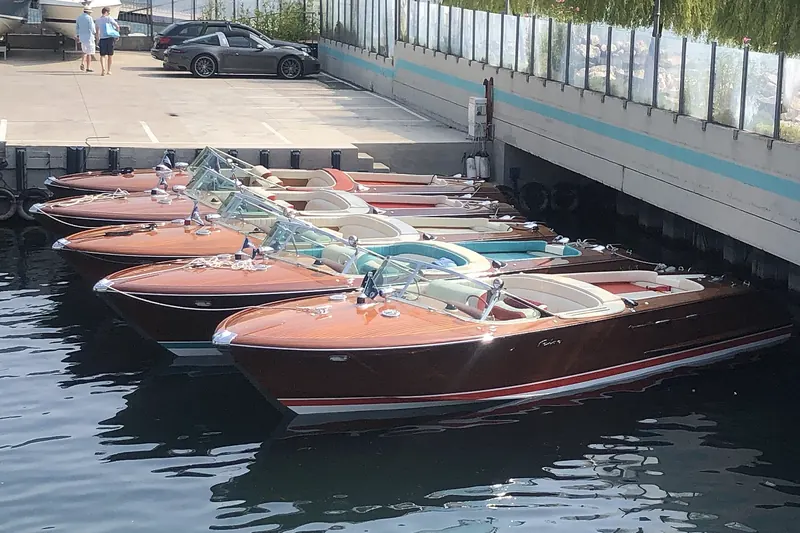
Riva, Chris-Craft and other classic runabouts and cruisers, restored or original. Condition, restoration records and a survey matter, and an agreed value is often the point of insuring one separately.
You do not need everything on day one. This is what insurers tend to ask for.
It is a value you and the insurer settle on when the policy is written, and it is what a covered total loss pays, instead of a depreciated value after the fact. Each insurer has its own rules on how the value is documented.
Often, for older or larger vessels, though requirements vary by insurer and by the boat. I confirm what a specific insurer wants before you spend money on one.
Many policies in hurricane areas carry named-storm conditions, which can include where the boat must be kept during hurricane season and what you must do when a storm is forecast. Some carry a separate named-storm deductible. I go through that wording with you before you choose.
Yacht programs generally pair damage to the boat with liability for injury and property damage, and they can add coverage for crew, towing and salvage. Limits and what is included vary by insurer, so I lay them out side by side.
Charter use changes the coverage and not every insurer allows it. If you charter, even occasionally, tell me at the start.
Owners in any state can start a quote. Licensing and insurer availability depend on the state where the boat is kept, so I check both first and tell you plainly if I cannot place it.
No. I only help owners insure the vessels they have.
It depends on the vessel, its value, where it is kept, who runs it and the insurer. I do not quote a figure until I have the details, and I will not guess one here.
Start a quote and upload photos, or call, text or email with the vessel and where it is kept. Reply however you prefer and I will use it.
(941) 957-2796